Form a Nevada LLC
 Business Formation
 Registered Agent Service
 Tax ID / EIN
 Legal Services
 Start up Coach
 Taxes and Bookkeeping
 Business Credit




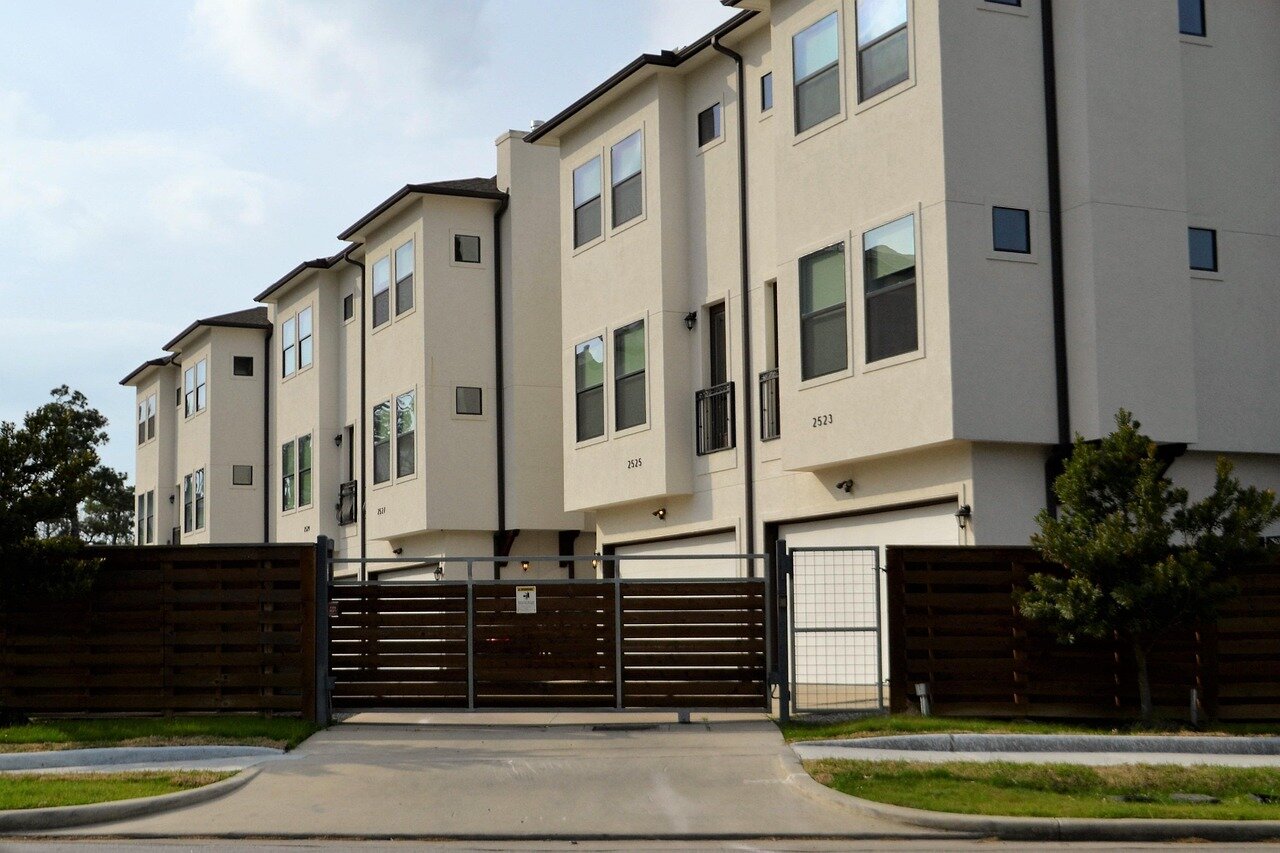


Real estate is considered a high-risk industry, with investments in properties like apartments and commercial buildings affecting personal finances and protection. LLCs give rental property investors a powerful tool to reduce legal and financial risks, and Nevada has emerged as a prime location for forming them.
The state’s LLC laws provide real estate investors with one of the strongest levels of asset protection available in the country. Under these statutes, an LLC’s owners or managers aren’t personally liable for the entity’s debts, obligations, or other liabilities. Real estate investors with a growing portfolio can maintain maximum protection with a well-established structure, which can involve forming new LLCs.
In this article, you’ll learn the best time to form a new Nevada LLC for a rental portfolio and the cost of maintaining multiple ones.
Key Takeaways
- Investors with new, co-owned, high-value, or out-of-state rental properties should consider forming a new Nevada LLC for each of them.
- Separate LLCs can reduce the complications of managing commercial, short-term, or high-traffic rental properties and sharing property ownership with other individuals or entities.
- High-value properties may need an individual LLC, as they can increase liability for claims related to slip-and-fall accidents, fires, or operational disputes.
- All U.S. states, counties, and cities enforce different rental property laws, zoning requirements, and litigation procedures, making LLCs for multiple properties more useful.
- Maintaining a Nevada LLC costs a total of $350, excluding other expenses. A well-established system will help you manage multiple LLCs under a rental portfolio.
Start your Nevada LLC in
24 hours guaranteed
You don't need to live in Nevada to enjoy the best asset protection and audit defense a Nevada LLC can provide.
When Should I Form a New Nevada LLC for a Rental Portfolio?
You should form a new Nevada LLC for a rental portfolio if you:
Acquire More Properties
Buying more properties is one excellent reason to set up a new LLC for a rental portfolio in Nevada. This strategy can work for solo investors with multiple single-family rentals or large investment groups that manage a mix of commercial and residential properties.
Increased exposure to potential liability makes establishing a new LLC more beneficial for investors. By structuring high-value rental properties or residential or commercial spaces outside of Nevada in one LLC, you risk losing your personal assets and overall protection. In particular, acquiring and managing short-term rental properties, commercial spaces, or high-traffic multi-family buildings can raise that possibility.
Co-Owning Rental Properties
Shared ownership of rental properties can also create legal and financial challenges. If you hold a rental portfolio in a single Nevada LLC and its co-owner incurs personal liability or debt, the entire structure can be targeted. Creating a new LLC can help isolate risks while organizing your portfolio.
Nevada provides strong protection to LLC owners (members) and managers who face legal and financial issues. State courts impose a high burden of proof for “piercing the corporate veil,” meaning they need a convincing case to disregard an LLC’s legal existence and pursue personal liability. Plus, Nevada’s framework helps prevent personal financial issues from disrupting an LLC’s operations. Placing the properties you co-own in new LLCs can strengthen these protections.
Own & Manage High-Value Properties
If you own and manage high-value properties, you may want to consider forming a new Nevada LLC for them. These properties can increase liability for slip-and-fall accidents, fires, or even disputes between tenants and landlords.
Before proceeding with LLC formation, determine the overall value of each property in your rental portfolio. If one or more properties have equity that takes a considerable percentage of your total net worth, they should be placed in a separate entity.
Have Properties in Other Locations
Forming a new Nevada LLC can also work for investors or rental businesses with properties outside the state.
Rental property laws, zoning requirements, and litigation procedures vary by county, city, and state. When a legal or financial issue arises in the area where your property is located, a separate Nevada LLC for it can keep plaintiffs from pursuing your personal assets. Still, you may need to register the entity as a foreign LLC, resulting in increased costs and a greater administrative burden.
How Much Does It Cost to Maintain Multiple Nevada LLCs?
It costs a total of $350 to maintain each Nevada LLC under a rental portfolio, with other expenses adding to the amount. Suppose you own three LLCs for your portfolio—your total cost of maintenance can go over $1,000.
Although managing multiple LLCs is costly for investors, it can be handled with a properly established system. Some experienced LLC formation service providers, like NCH, offer ongoing support with compliance specialists who’ll track renewal dates and filing requirements across the LLCs in your rental portfolio.
Related Resources
- Where should you place a rental property: an LLC or a land trust? Watch this episode of Ask NCH for the answer.
- Learn the basics of using a Nevada LLC for rental properties here.
- Know how to structure a Nevada LLC for family-owned rental properties from the NCH blog.
Frequently Asked Questions
A Nevada LLC can own and manage rental properties instead of its owners. This entity separates your personal assets from each property’s legal and financial liabilities.
You should form LLCs for multiple rental properties located in Nevada if:
Your portfolio includes high-value properties.
Some of the properties are located in different cities or counties.
You co-own the properties with family members, business partners, or other investors.
You want to reduce potential risks.
NCH has shared a guide to this strategy here.
If you put multiple rental properties in one Nevada LLC and face a lawsuit, you risk losing your personal assets. Using separate LLCs can help you avoid this challenge while properly structuring your entire rental portfolio.
To form a new Nevada LLC for your rental portfolio:
Choose a unique and compliant business name.
Appoint a registered agent who will receive important documents on behalf of the LLC.
File Articles of Organization with the Nevada Secretary of State.
Draft an operating agreement.
Get a tax ID number and business licenses or permits.
It costs a total of $425 to set up a Nevada LLC for rental properties. Other costs such as registered agent service fees and business license application fees add to this amount.
A Nevada LLC for a rental portfolio can be created within several hours or days, depending on your chosen filing method.
If you register an LLC on the state’s business portal, your filing will be processed immediately. For paper filings, the Secretary of State’s office can process them in as fast as 1 hour.
No, LLCs for rental properties don’t need a physical office address in Nevada. They can use their registered agent’s address or a virtual office address for mailing purposes and on state filings.
Yes, a Nevada LLC can own rental properties outside the state. However, it may need to register as a foreign LLC in the state where they manage properties. Upon registration, the LLC is required to meet the state’s ongoing compliance requirements.
Yes, you should open a business bank account for each Nevada LLC. This step separates business funds from personal finances, helping you maintain your overall protection.
Also, having a business bank account simplifies tax filings and accounting. It’s especially important for investors who earn from managing different types of rental properties.
Yes, you can transfer an existing rental property to a Nevada LLC. However, this process requires lender approval and comes with potential tax-related implications. Review the property’s financing arrangement and current state and local requirements before proceeding to avoid any issues.
Expert Tips From NCH
- Form an LLC before acquiring a new rental property. As mentioned above, transferring an existing property into an LLC can create financing and tax-related challenges.
- Make sure each LLC in your rental portfolio has its own business bank account and internal records, including an operating agreement. This demonstrates that each entity operates separately from its owners.
- Review your rental portfolio’s overall structure as it grows. Work with a qualified advisor to ensure that the structure meets your current needs and goals.
Form a Nevada LLC for a Rental Portfolio Today
Rental property investors can use a Nevada LLC to structure a growing portfolio. While a single LLC works for those with one or two properties, it can expose multiple properties to more significant risks.
Forming additional LLCs makes sense if you acquire new properties, co-own some properties with other people, own and manage high-value properties, or have properties in other locations. Each LLC should be structured properly to increase your protection and maximize Nevada’s advantages for serious investors.
If you’re opening a Nevada LLC, NCH can help you get it right the first time. We provide a proven, structured process that’s designed to reduce errors, delays, and unnecessary costs. Furthermore, our approach to LLC formation is backed by 32+ years in business and 250,000+ businesses formed, focusing on accuracy, clarity, and long-term support.
Get Started with NCH’s Assistance Today
DISCLAIMER: The above material has been prepared for informational purposes only, containing opinions of the provider and is not intended to provide, and should not be relied on for, tax, legal, or accounting advice. Please consider consulting tax, legal, and accounting advisors before engaging in any transaction.