Form a Nevada LLC
 Business Formation
 Registered Agent Service
 Tax ID / EIN
 Legal Services
 Start up Coach
 Taxes and Bookkeeping
 Business Credit




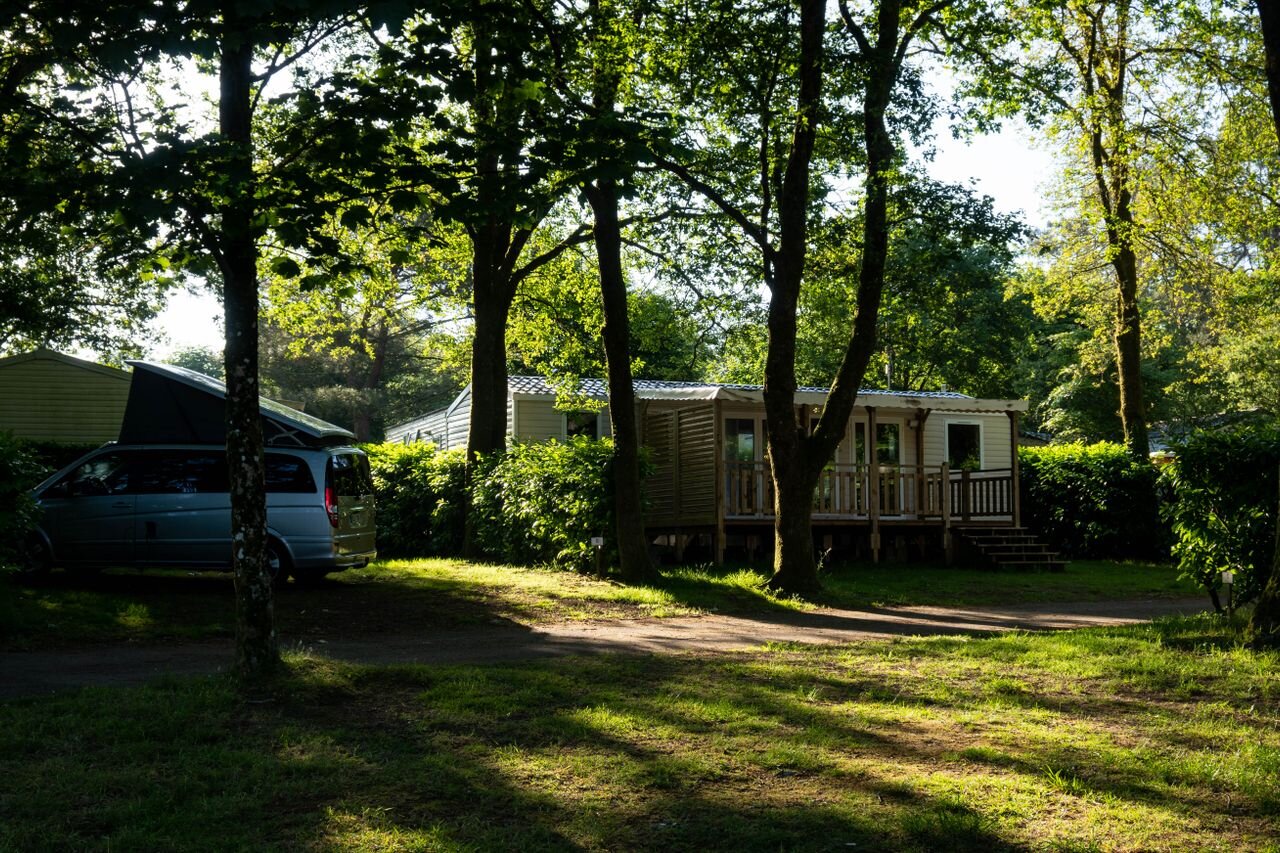


Investing in and managing a mobile home park comes with various risks, including tenant complaints, damaged or defective utilities, and personal injury claims. These pitfalls can affect your overall protection and costs, so operating under a formal structure like an LLC is essential.
Nevada is considered a top state for LLC formation because of its optimal structure for maximum protection and long-term growth. In this article, you’ll learn how starting a mobile home park LLC in the state provides these advantages.
Key Takeaways
- A Nevada LLC offers increased liability protection, with the state’s framework creating a stronger barrier between personal assets and business liabilities.
- LLCs and their owners pay no state-level income tax in Nevada. However, these entities may be subject to other types of taxes.
- Mobile home park investors with Nevada LLCs should consider drafting an operating agreement that outlines its entire operations. The document specifies who owns and manages an LLC, which is determined by its ownership and management structure.
- If you invest in multiple mobile home parks, consider forming separate LLCs for them. This strategy can help isolate potential risks.
- Separating business and personal finances, establishing formal procedures for handling business obligations, and ensuring ongoing compliance are effective ways to reduce the operational risks faced by Nevada LLCs.
Start your Nevada LLC in
24 hours guaranteed
You don't need to live in Nevada to enjoy the best asset protection and audit defense a Nevada LLC can provide.
How Does a Nevada LLC for Mobile Home Park Investors Work?
A Nevada LLC operates separately from mobile home park investors, ultimately protecting their personal assets from potential business liabilities. This level of protection is supported by a robust legal framework.
According to NRS 86.371, LLC owners (members) and managers aren’t personally liable for the debts, obligations, or other liabilities of the company. Moreover, state courts impose a high burden of proof on plaintiffs who sue LLCs. They can only disregard an LLC’s legal existence, also known as “piercing the corporate veil,” if it’s proven that the venture was used to commit fraud or a similar offense. This standard makes it more challenging to pursue personal liability during litigation.
Finally, Nevada’s framework helps limit the impact of an LLC member’s personal financial issues on their business. Creditors are only entitled to the distributions received by indebted LLC members; they can’t manage the business to force it to settle debts.
What are the Other Benefits of Forming Nevada LLCs?
Beyond increased protection, forming Nevada LLCs can help mobile home park investors reduce their tax burden. The state doesn’t collect individual and corporate income taxes from business owners and their ventures. Still, certain types of taxes can apply to LLCs, depending on factors such as their gross income and business activity.
In addition, Nevada offers strong privacy protections. LLCs aren’t required to list their members or managers on public records; instead, they can use nominee services or disclose information about their registered agent in their filings. The latter is a person or company authorized to receive documents on behalf of an LLC.
For more about the benefits of LLC creation in Nevada, watch this episode of Ask NCH.
How is a Mobile Home Park LLC’s Ownership Structured?
A mobile home park LLC’s ownership is structured according to its specific needs. The business should specify who owns it in a document called the operating agreement.
In Nevada, business owners can form single-member or multi-member LLCs. Single-member LLCs are owned and managed by one person, while multi-member LLCs are owned by a certain number of individuals. Mobile home park LLCs with multiple owners can appoint managers to oversee their daily operations.
Regardless of the ownership and management structure adopted by your LLC, its operating agreement should contain the following information:
- How much of the company each member owns
- Whether members are required to fund the business again
- Which decisions need to be approved
- How disputes are handled
- What happens when a member leaves the company, dies, or becomes incapacitated
Should I Form Separate LLCs for Multiple Mobile Home Parks?
You should consider forming separate LLCs for multiple mobile home parks to isolate any risks that can affect a single LLC. If you operate several mobile home parks under one LLC, those properties and the personal assets of their owners can absorb the impact of legal, financial, or operational challenges faced by one park.
Setting up multiple LLCs for mobile home parks in Nevada can involve using a holding company structure. One LLC owns the other companies under it, creating an additional layer of separation between each mobile home park and the personal assets of their owners. This strategy may increase your overall costs, but it can help you reduce serious risks.
How Can Nevada LLCs Minimize Operational Risks?
Nevada LLCs can minimize operational risks by:
- Separating their business funds from personal funds - LLCs are generally advised to open a business bank account and deposit their income there.
- Establishing formal procedures for handling business obligations - For example, a Nevada LLC can designate someone to enter and manage business contracts under the company’s name.
- Maintaining ongoing compliance - Nevada LLCs must file an annual report, renew their state business license, maintain their registered agent, and conduct proper record-keeping to stay in good standing with the state.
Related Resources
- Learn how to start an LLC in Nevada from NCH’s business formation specialists.
- Find out which management structure works best for investors in Nevada: member-managed LLCs or manager-managed LLCs.
Frequently Asked Questions
A Nevada LLC conducts business and holds assets instead of its owners. As a result, it separates mobile home park investors and their personal assets from legal, financial, or operational risks.
Any individual or business entity can form a Nevada LLC for a mobile home park. They don’t need to live in the state to start and operate their LLC.
Single-member LLCs are owned and operated by one person. In contrast, multi-member LLCs are owned by multiple individuals who can oversee day-to-day operations or delegate the task to qualified managers.
Yes, a Nevada LLC can own multiple mobile home parks. However, you should consider the disadvantages of placing several parks under one LLC. Forming a separate LLC for each mobile home park may help isolate risks and simplify each property’s management.
You form a mobile home park LLC in Nevada by:
- Naming the business
- Appointing its registered agent
- Filing the company’s formation documents with the Nevada Secretary of State
- Drafting a comprehensive operating agreement
- Getting an Employer Identification Number (EIN)
- Opening a business bank account
- Obtaining additional business licenses and permits
Yes, mobile home park LLCs in Nevada need an operating agreement to establish how they’re managed. This document should align with a mobile home park’s specific needs and goals, containing clauses about the different areas of its operations.
Setting up a Nevada LLC for a mobile home park costs a total of $425. This amount includes the filing fees for the following documents:
- Articles of Organization - $75
- Initial report (Initial List of Managers or Members) - $150
- State business license application - $200
Other expenses such as registered agent service fees can increase your initial formation costs.
Mobile home park LLC formation in Nevada can be done immediately or within several days, depending on your chosen filing method.
Online registration and expedited processing for paper filings are the fastest ways to start a Nevada LLC. Standard processing times vary, with the actual timeline set at 2 to 4 weeks or more.
Yes, Nevada LLCs are required to have a registered agent by law. Their chosen agent must have a physical address in the state and be available to receive documents during regular business hours, Monday through Friday.
If a mobile home park LLC isn’t properly maintained, it risks losing its level of liability protection. A court can disregard the company’s existence and hold its owner(s) personally liable for any incurred debts, obligations, or liabilities.
Expert Tips From NCH
- Draft an operating agreement with provisions about tenant leases, vendor contracts, and maintenance decisions. A generic template excludes the most important details about your mobile home park’s operations.
- If you’re managing multiple mobile home park LLCs, draft customized internal records for each entity. Also, make sure all of your LLCs are managing their current contracts properly.
- Use a dedicated bank account, email address, and phone number for your LLC. Having all three shows that your business operates as a legitimate entity.
- Assess your LLC’s overall structure after expanding to a new location, adding a business partner, or approving other operational changes. Consult a qualified advisor to determine your next step.
Start a Nevada LLC for a Mobile Home Park Today
Investing in a mobile home park is lucrative and risky. Without a formal structure, you’re exposed to legal, financial, and operational risks. A properly established Nevada LLC helps you avoid these pitfalls and maximize the state’s advantages while making more investments.
If you’re opening a Nevada LLC, NCH can help you get it right the first time. We provide a proven, structured process that’s designed to reduce errors, delays, and unnecessary costs. Furthermore, our approach to LLC formation is backed by 32+ years in business and 250,000+ businesses formed, focusing on accuracy, clarity, and long-term support.
Get Started with NCH’s Assistance Today
DISCLAIMER: The above material has been prepared for informational purposes only, containing opinions of the provider and is not intended to provide, and should not be relied on for, tax, legal, or accounting advice. Please consider consulting tax, legal, and accounting advisors before engaging in any transaction.