




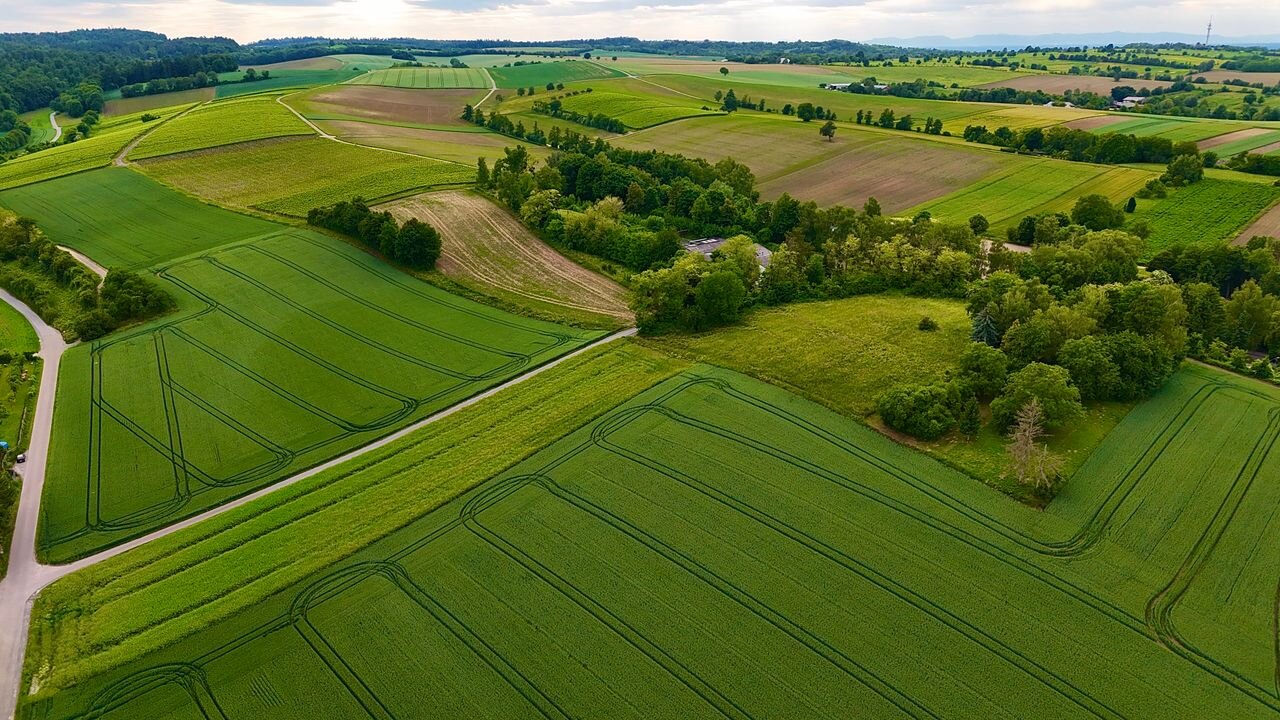


Investing in farmland, especially high-value properties, creates numerous and unpredictable risks. Without a formal structure, you can lose your overall protection, incur substantial costs, and face more challenges.
An LLC offers significant protection and flexibility to investors with properties held in their personal name or co-owned with others. Forming this entity can also work for those planning to acquire more plots of farmland, leasing land to farm operators, and managing farmland in multiple locations.
Nevada has emerged as a top-tier choice for LLC formation because it’s created a favorable environment for serious investors. In this article, you’ll learn what a Nevada LLC does for farmland investors and how it helps these individuals maintain the state’s advantages.
Key Takeaways
- A Nevada LLC can own and manage farmland on behalf of its owners, plus it separates personal assets from potential liabilities.
- Farmland investors structure an LLC’s ownership by setting a specific percentage of each member’s stake in the entity. A document called the operating agreement covers this area of the LLC’s operations.
- An operating agreement should also contain clauses about a Nevada LLC’s management structure, voting rights, dispute resolution, ownership transfers, and succession planning.
- In Nevada, farmland investment LLCs are required to keep a full list of the names and addresses of their owners or managers and copies of their formation documents and operating agreement. Other documents like property deeds, lease agreements, financial statements, and written resolutions for major decisions should be maintained as well.
- Proper record-keeping ensures an LLC’s ongoing compliance with Nevada’s current requirements and helps fortify the entity’s liability shield.
Start your Nevada LLC in
24 hours guaranteed
You don't need to live in Nevada to enjoy the best asset protection and audit defense a Nevada LLC can provide.
How Does a Nevada LLC Work for Farmland Investors?
A Nevada LLC is a legal entity that owns and manages farmland instead of their owners. It holds title to the property, whether the deed was signed in the LLC’s name or transferred to the entity itself. The LLC’s owners, also called members, can operate the entity themselves or delegate it to qualified managers.
Most importantly, an LLC incurs potential liabilities, leading to greater asset protection. Nevada’s LLC laws support this separation, and the state provides several useful tools to help LLC owners reduce personal liability. For instance, Nevada’s framework limits the impact of personal financial issues on an LLC’s operations by only allowing creditors to pursue distributions made to indebted LLC owners.
How Do Farmland Investment LLCs Structure Their Ownership?
Farmland investment LLCs structure their ownership by setting a specific percentage of each member’s stake in the entity. This number determines the exact amount or value of an LLC member’s capital contribution (the assets, benefits, or services provided by individuals to fund the entity).
Let’s say you own 30% of a farmland investment LLC in Nevada. If you make a capital contribution to the entity, you can give $300, $3,000, $30,000, or even $30,000. Each member’s interest in their LLC and the amount or value of their capital contribution are outlined in a document called the operating agreement, which governs an LLC’s operations.
What Should a Nevada LLC’s Operating Agreement Cover?
For a Nevada LLC that owns farmland, its operating agreement should cover:
- Initial and additional capital contributions
- The entity’s management structure (whether it’s member-managed or manager-managed)
- Voting rights and approval thresholds for major decisions
- Dispute resolution procedures
- Any restrictions on or terms about transferring the membership interest of an exiting owner, including:
- Whether the member can sell their share of ownership to parties outside the entity
- A right of first refusal for the remaining members
- The valuation of membership interests for buyouts
- Succession within the entity - The operating agreement can detail how an LLC chooses to replace a departing, deceased, or incapacitated member and any changes to its succession strategy.
To learn more about an operating agreement, watch this episode of NCH’s 60 Second Business Tip.
What Records Should a Nevada LLC Maintain?
According to NRS 86.241, a Nevada LLC must maintain the following records at its principal office in the state or with its custodian of records:
- A current list of the full names and last known addresses of the LLC’s members or managers
- A copy of the entity’s filed Articles of Organization and all amendments made to it
- Copies of any effective operating agreement
Additionally, farmland investment LLCs should consider keeping other important records on file. These documents include copies of financial statements, property deeds, lease agreements, and written resolutions about major decisions. If your Nevada LLC owns more than one plot of farmland, the records related to each property should be organized separately and accessible to all members or managers.
Proper record-keeping helps farmland investment LLCs meet Nevada’s ongoing compliance requirements and maintain their level of liability protection. Courts can “pierce the corporate veil” or pursue personal liability for the LLC’s debts, obligations, or other liabilities if the entity failed to follow corporate formalities, including maintaining internal records.
Related Resources
- Find out what you’ll need to start an LLC in Nevada here.
- Get comprehensive guides to forming investment and trading LLCs in Nevada and building their internal governance from NCH’s specialists.
Frequently Asked Questions
A Nevada LLC for agricultural real estate is a legal entity that owns and manages farmland. It increases your overall protection by separating you and your personal assets from potential liabilities. Moreover, this entity helps you organize your investment activities with a flexible structure.
In member-managed LLCs, the company owners handle daily operations themselves. Manager-managed LLCs delegate this task to appointed managers, while their owners keep investing and vote to authorize or block certain decisions.
Any individual or entity can be a member of a farmland investment LLC in Nevada. Moreover, the state doesn’t impose a residency requirement on LLC owners, making it accessible to investors in other states or countries.
Yes, a Nevada LLC needs an operating agreement. Although this entity isn’t required to have this document by law, it needs one to outline their overall operations. LLCs without an operating agreement will be governed by state law.
To form a Nevada LLC for farmland investments:
- Choose a unique and compliant entity name.
- Appoint a registered agent to receive important documents on the LLC’s behalf.
- File the LLC’s formation documents with the state.
- Draft a comprehensive operating agreement.
- Get an Employer Identification Number.
- Open a business bank account.
- Obtain additional licenses and permits.
Nevada charges a total of $425 for LLC formation, which includes the filing fees for the following documents:
- Articles of Organization - $75
- Initial List of Managers or Members (an LLC’s initial report) - $150
- State business license application - $200
Also, other expenses such as registered agent service fees can increase your overall formation costs.
You can expect your Nevada LLC to be officially registered in minutes or a few weeks. If you file your formation documents online, it’ll be processed within one business day. Paper filings can be approved in 3 to 6 weeks, but you can use the state’s expedited processing service for faster processing.
Yes, Nevada LLCs are required to maintain internal records by law. In general, these entities must keep a current list of the full names and last known addresses of their members or managers, the original and amended copies of their formation documents, and copies of any effective operating agreement.
If an LLC member leaves, dies, or becomes incapacitated, the entity conducts the procedure outlined in its operating agreement. The document can contain clauses about buyouts, valuations, restrictions on ownership transfers, and succession processes.
You can structure agricultural real estate in a Nevada LLC with help from a qualified service provider like NCH. Our specialists will look at your current situation and recommend the right solutions to you. When you’re ready to move forward, we’ll guide you through the formation process and provide additional support after that.
Expert Tips From NCH
- Draft an operating agreement before forming an LLC and acquiring farmland. This document adds a formal and organized structure to your investment activities.
- Open a business bank account for your farmland investment LLC upon its formation. Mixing business and personal finances can weaken your overall protection while operating in Nevada.
- If you’re placing out-of-state farmland in a Nevada LLC, consider getting foreign qualification. However, this can increase your overall costs and compliance burden.
- Review your LLC’s operating agreement whenever changes are made to the entity’s operations or any governing state law. Any amendments to the document should be approved by the LLC’s members.
Open a Nevada LLC to Acquire & Manage Farmland
Farmland investors are exposed to serious operational, legal, and financial risks. A Nevada LLC helps you manage these pitfalls while providing the flexibility that other structures lack, allowing you to invest with confidence and focus on long-term growth. Proper formation ensures that you’re maximizing and maintaining these advantages over time.
If you’re opening a Nevada LLC, NCH can help you get it right the first time. We provide a proven, structured process that’s designed to reduce errors, delays, and unnecessary costs. Furthermore, our approach to LLC formation is backed by 32+ years in business and 250,000+ businesses formed, focusing on accuracy, clarity, and long-term support.
Contact Our Specialists to Get Started
DISCLAIMER: The above material has been prepared for informational purposes only, containing opinions of the provider and is not intended to provide, and should not be relied on for, tax, legal, or accounting advice. Please consider consulting tax, legal, and accounting advisors before engaging in any transaction.

